

There's nothing quite like bringing home a new UTV and getting ready for that first ride. The machine is ready, the trail is waiting, and it is tempting to head out right away. But taking a little time to prepare before that first ride can help protect the machine, improve safety, and make the overall experience better.
This UTV owner checklist covers 10 important things every new UTV owner should consider before heading out for the first ride. From learning your machine and checking fluids to inspecting tires, hardware, safety gear, and underbody protection, these steps can help you start off better prepared.
Every UTV platform is different. Break-in procedures, recommended fluid types, tire pressure specifications, belt maintenance, service intervals, and torque specifications can vary by make, model, and year. The owner's manual for your specific machine is one of the most important resources you have as a new UTV owner.
Online videos and rider advice can be helpful, but they should not replace the information provided by the manufacturer for your specific machine. Following the wrong break-in procedure, using an incorrect fluid, or overlooking a required service interval can contribute to premature wear or mechanical problems.
Take time to read the owner's manual before your first ride, paying particular attention to the break-in procedure, fluid specifications, tire pressures, maintenance schedule, and important safety information.
Before every ride, take a few minutes to walk around the machine and check the basics. A simple pre-ride inspection can help identify loose hardware, fluid leaks, tire issues, or visible damage before they become bigger problems on the trail.
Use the following areas as a practical UTV pre-ride checklist:
Check each tire for visible damage, cuts, cracks, punctures, or embedded debris. Inspect the tread and sidewalls, and verify that tire pressure matches the recommendation for your specific machine and tire setup.
Before moving, test the throttle, brakes, and steering to make sure they operate smoothly and as expected. The throttle should return to idle when released, and the brake pedal should feel firm and responsive. If your machine is equipped with a parking brake or other brake controls, check those as well.
Check that headlights, brake lights, taillights, and turn signals are working properly if your machine is equipped with them.
Check the engine oil, coolant, and brake fluid levels as recommended for your specific machine. Inspect underneath the UTV for any signs of leaks, and follow the owner's manual for checking differential and transmission fluids at the specified service intervals.
Walk around the machine and inspect the frame, suspension, and undercarriage for anything that appears bent, cracked, loose, damaged, or out of place. Pay particular attention to suspension mounting points, control arms, trailing arms, and other areas that may have taken contact on a previous ride.
Check that racks, mounted accessories, tools, coolers, and other cargo are secured before riding. Make sure nothing can shift, come loose, or interfere with the controls or suspension.
This pre-ride inspection should become a habit before every ride, not just the first one.
To understand what is at risk underneath your UTV and why it matters, read Why Every UTV Needs Underbody Protection and What Happens When You Skip It.
Tire pressure is an important part of any UTV pre-ride checklist because it directly affects handling, traction, ride quality, and tire protection.
Running tire pressure too low can increase sidewall flex and make the tire more vulnerable to damage or coming off the bead, especially in rocky terrain. Running pressure too high can create a harsher ride, reduce the tire's contact patch, and affect traction and handling. The right pressure depends on the machine, tires, load, and riding conditions.
For a stock machine and tire setup, start with the pressure recommended in the owner's manual or on the vehicle's tire information label. The pressure molded into the tire sidewall is generally a maximum inflation specification for the tire, not necessarily the pressure you should use for normal UTV operation.
Tire pressure also changes with temperature, so check it before the ride when the tires are cold and make adjustments based on the manufacturer's recommendations and your riding conditions.
After riding rocky or rough terrain, inspect the tread and sidewalls for cuts, punctures, abrasions, or other impact damage before the next ride.
Fluids are essential to the proper operation of your UTV. Before the first ride, verify the fluid levels your manufacturer recommends checking and make sure you understand the service intervals for your specific machine.
Check the engine oil level using the procedure in the owner's manual. Low oil can lead to poor lubrication, overheating, and serious engine damage. Follow the manufacturer's break-in and oil-change schedule, since service intervals can vary by model.
Check the coolant reservoir and confirm the level is within the recommended range. Never remove the radiator cap when the engine is hot, and follow the owner's manual for the correct coolant type and inspection procedure.
Check the brake fluid reservoir and make sure the level is within the specified range. A noticeable drop in fluid level can indicate wear or a leak that should be inspected before riding.
Some UTVs require separate checks for front and rear differential fluids, transmission fluid, or other gearcase lubricants. Follow the owner's manual for the correct fluid type, inspection procedure, and service interval for your specific machine.
Always use the fluid types and specifications listed in the owner's manual. Using the wrong fluid can contribute to premature wear or mechanical problems.

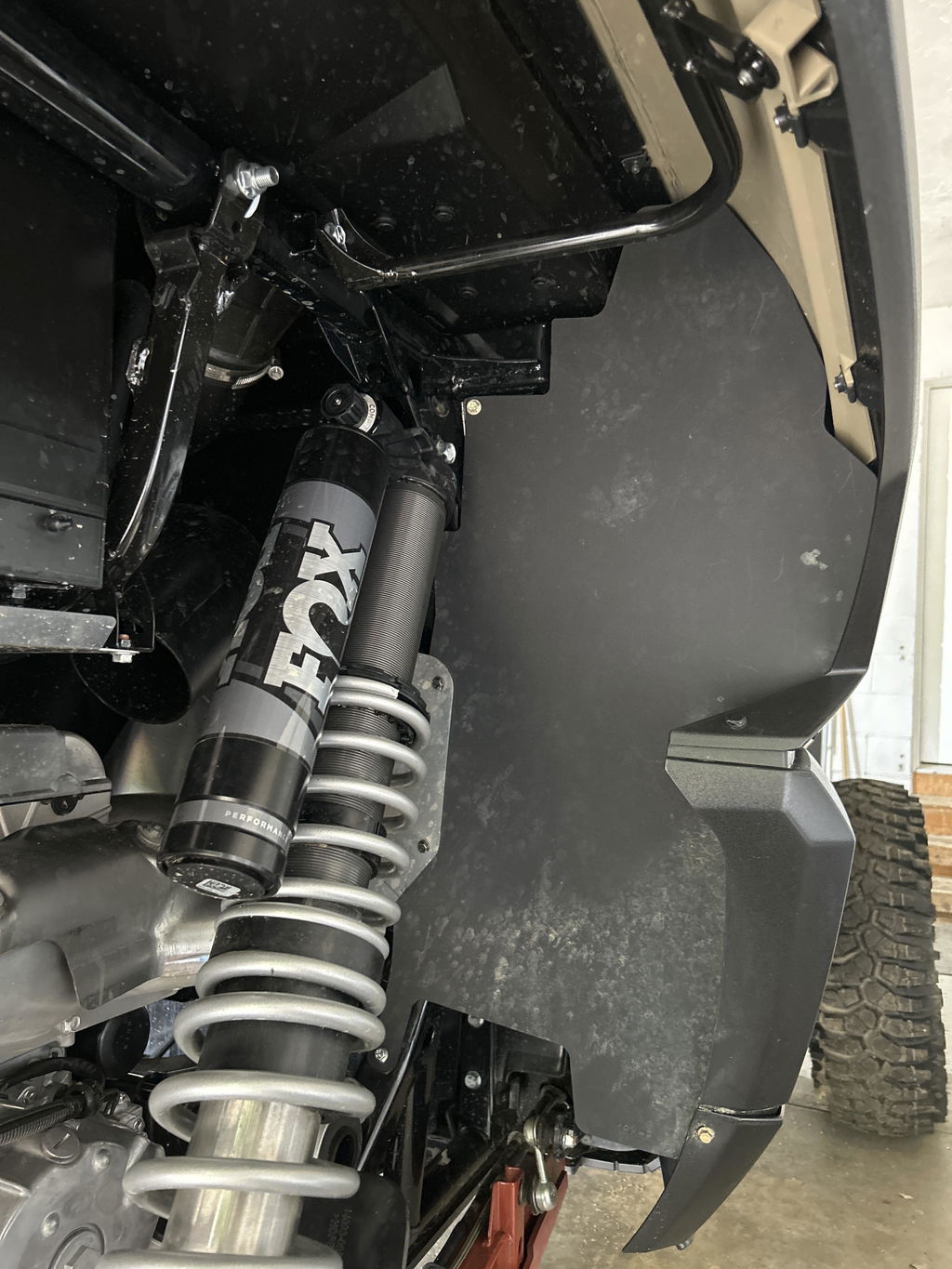
Before your first trail ride, it is worth taking a few minutes to look underneath your UTV and understand what is actually exposed. The layout varies by make and model, but many machines have critical components positioned close to the underside where they can be vulnerable to contact with rocks, roots, stumps, and other trail obstacles.
Depending on the machine, exposed areas may include the engine and transmission cases, differentials, fuel system components, brake lines, suspension components, and other parts that can be costly to repair if damaged.
Factory underbody protection also varies by platform. Some machines provide more coverage than others, while certain areas may still remain exposed or lightly protected. Before riding technical terrain, inspect the underside of your specific UTV and identify which components have protection and which areas may benefit from additional coverage.
Understanding what is underneath your machine can help you make better decisions about the type of UTV underbody protection that fits your riding style and terrain.
For riders planning to take a new UTV onto rocky, rutted, or technical terrain, underbody protection is one of the first upgrades worth considering.
The core Trail Armor protection products new UTV owners may want to consider include:
To understand what each of these products is made from and why Super Tough Polymer compares with aluminum and steel, read Trail Armor's Super Tough Polymer vs. Aluminum vs. Steel: What Your UTV Skid Plate Is Actually Made Of.
To understand how to choose the right protection system for your specific machine, read How to Choose the Right Skid Plate for Your UTV: A Practical Guide for Every Rider.
Browse the complete Trail Armor catalog by vehicle make and model.
Personal protective equipment is an important part of any UTV safety checklist. The right gear can help reduce the risk of injury and should be chosen based on your machine, riding conditions, terrain, and applicable local requirements.
Wear a properly fitted helmet that meets an appropriate recognized safety standard for your riding application. A roof, windshield, or enclosed cab does not eliminate the possibility of head injury during a rollover, collision, or sudden impact.
Use appropriate eye protection to help guard against dust, rocks, branches, and other trail debris. Goggles or safety-rated eyewear can be especially important on machines without a full windshield or when riding in dusty conditions.
Long pants, gloves, sturdy footwear, and other protective clothing can help reduce cuts, abrasions, and exposure to trail debris. Choose clothing and footwear appropriate for the terrain and conditions you plan to ride.
Always use the factory restraint system as intended. If an aftermarket harness is installed, make sure it is compatible with the machine and properly installed according to the manufacturer's instructions. Never ride unrestrained.
Carry a charged communication device and let someone know where you plan to ride and when you expect to return. Download offline maps before heading into areas with limited cell service, and consider a satellite communication device when riding in remote locations.
Choosing terrain that matches your experience level is an important part of getting comfortable with a new UTV. Different riding environments place different demands on both the machine and the driver, so it helps to understand what you are getting into before the ride begins.
Rocky terrain can expose the undercarriage and suspension to direct impacts. Mud can lead to debris buildup and prolonged moisture exposure. Desert riding can increase exposure to sand, grit, and high-speed debris. Wooded trails can bring unexpected contact with rocks, roots, sticks, washouts, and other obstacles even at moderate speeds.
For new riders, a good approach is to start on trails that match your current experience, build confidence before attempting more technical obstacles, and research unfamiliar trails ahead of time.
The terrain you choose can also influence the type of protection your machine may need. A setup that works well on a smooth gravel trail may benefit from additional underbody or suspension protection before moving into rocky or more technical terrain.
For a complete breakdown of what each terrain type does to an unprotected UTV and which protection is recommended for each environment, read UTV Protection by Terrain: What Every Rider Needs for Rock Crawling, Mud, Desert, and Trail Riding.
Hardware is worth checking before the first ride, especially on a new machine or after installing aftermarket accessories and protection products. Transportation, installation, normal use, and repeated trail impacts can all affect fasteners over time.
Before the first ride, inspect accessible hardware and make sure everything is properly secured according to the manufacturer's specifications. Pay particular attention to recently installed accessories, skid plates, A-arm guards, trailing arm guards, and other mounted components.
After the first few rides, recheck the hardware on newly installed products to make sure everything remains secure. Hardware should also be inspected periodically and after hard impacts or demanding trail use. Always follow the torque specifications and maintenance recommendations provided for your specific machine and accessories.
For a complete guide to installation best practices and hardware maintenance for Trail Armor products, read How to Install Trail Armor Skid Plates on Your UTV: A Step-by-Step Guide for Every Rider.
Preparing yourself before you leave is just as important as preparing the machine.
Tell someone who is not on the ride where you are going, which trail or riding area you plan to use, and when you expect to return. If something goes wrong in an area with limited or no cell service, having someone else know your plan can make it easier to get help.
For new riders, it is a good idea to ride with a buddy or another machine, especially on unfamiliar, technical, or remote trails. If you get stuck, have a flat, experience a mechanical problem, or need help getting back to the trailhead, having another rider with you can make a big difference. As your experience grows, you will be better able to judge the risks of different terrain and riding areas.
Bring a basic trail kit that matches your machine and where you plan to ride. Useful items can include a tow strap, portable air compressor, tire plug kit, basic hand tools, first aid kit, water, snacks, and a spare drive belt for your specific UTV. Longer or more remote rides may require additional recovery gear, spare parts, or emergency supplies.
Cell coverage can be limited or unavailable in many off-road riding areas. Download your trail maps before you leave so you can still access them if you lose service. It is also a good idea to save the trailhead location and planned route so you can reference them offline if needed.
Weather conditions can change quickly, especially in mountainous or remote riding areas. Rain, wind, temperature changes, or storms can turn an otherwise manageable trail into more difficult terrain. Check the forecast before leaving and be prepared to adjust your route or riding plans if conditions change.
Do one final walk-around before loading the trailer or heading to the trailhead. Check for anything you may have missed earlier, including loose cargo, visible leaks, tire issues, or anything that looks out of place. A quick final inspection can help catch a small problem before it becomes a bigger issue on the trail.

The ten steps in this first time UTV owner tips guide are simple ways to help new riders prepare before heading to the trail. A little time spent checking the machine, planning the ride, and understanding the terrain can help reduce avoidable problems and make the first rides more enjoyable.
Trail Armor offers vehicle-specific underbody protection for a wide range of UTV makes and models. Many of our skid plate and protection products are built from 1/2" Super Tough Polymer, designed to help protect vulnerable areas underneath the machine from rocks, roots, debris, and other trail hazards. Product design and coverage vary by application, so riders should choose protection based on their specific machine and the terrain they plan to ride.
To learn more about Trail Armor and the engineering behind every product, read Who Is Trail Armor? The Story Behind the Brand Built for Serious Riders.
Find the right protection for your exact UTV make and model at Trail Armor.
Start with the owner’s manual so you understand the requirements for your specific machine. Then perform a pre-ride inspection covering tires, fluid levels, brakes, controls, chassis, and the undercarriage. Before riding technical terrain, inspect the underside of the machine and consider whether additional underbody protection is appropriate for the conditions you plan to ride. Also check accessible hardware and make sure recently installed accessories or protection products are secure.
Many UTV manufacturers specify a break-in period for new machines. The exact procedure can vary by make and model and may include recommendations for engine speed, throttle use, load, belt operation, and early service intervals. Always follow the break-in instructions in the owner’s manual for your specific UTV. Ignoring those recommendations can contribute to premature wear or other mechanical issues.
For riders planning to spend time on rocky, rutted, or technical terrain, underbody protection is one of the first upgrades worth considering. Factory skid plate coverage varies by make and model, and some areas underneath the machine may remain exposed or lightly protected. A Trail Armor full skid plate system can provide broader coverage for critical underbody areas and help protect the machine from rocks, roots, debris, and other trail hazards.
It depends on the machine and the type of riding you plan to do. Factory underbody protection varies by make and model, and some UTVs provide more coverage than others. Before riding rocky or technical terrain, inspect the underside of your machine to see which areas are protected and which may remain exposed.
Additional protection such as full skid plates, A-arm guards, or trailing arm guards can be a worthwhile upgrade for riders who want broader coverage against rocks, roots, ledges, and other trail hazards.
A quick pre-ride inspection is a good habit before every ride. Check the tires, fluid levels, brakes, controls, accessible hardware, and undercarriage for anything loose, damaged, leaking, or out of place. Regular inspections can help catch small issues early before they become larger problems on the trail.
A good UTV safety checklist should include a properly fitted helmet, the machine’s restraint system, appropriate eye protection, and a basic pre-ride inspection of tires, fluids, brakes, and controls. Riders should also make sure they have suitable clothing, communication equipment, and the gear needed for the terrain and conditions they plan to ride.
Check the Trail Armor product listing and fitment information for your exact make, model, and year before purchasing. Fitment can vary by year, model, and specific edition, so make sure your machine matches the listed application. If you are unsure about fitment or your UTV has been modified, contact Trail Armor before ordering. Browse the full catalog at trailarmor.com.
{"one"=>"Select 2 or 3 items to compare", "other"=>"{{ count }} of 3 items selected"}