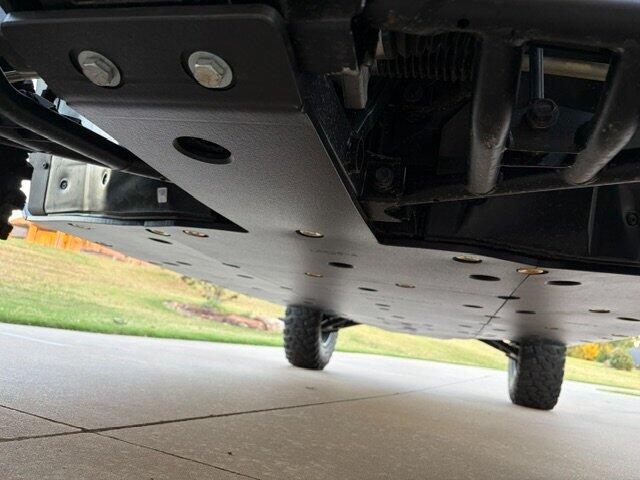
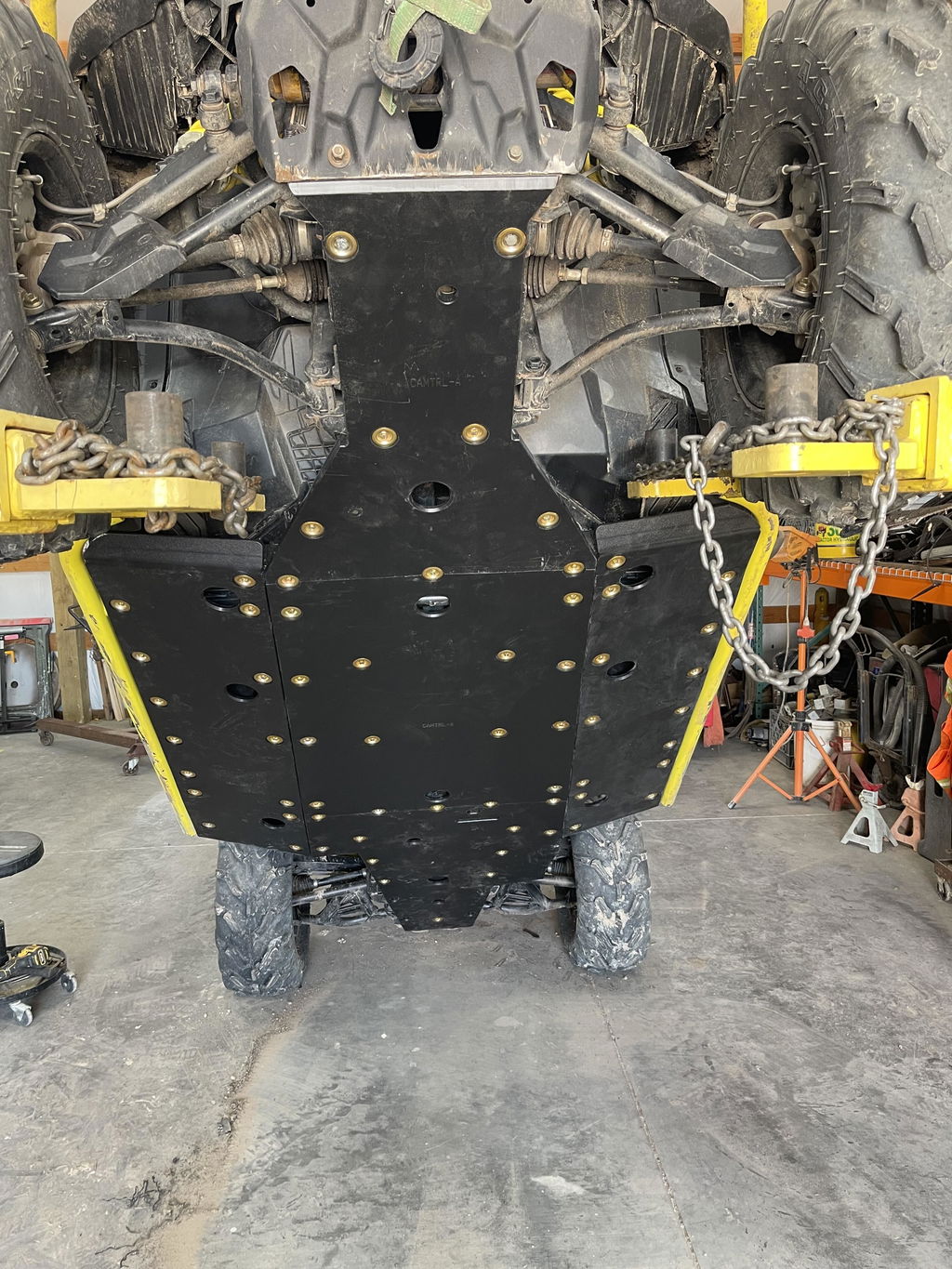
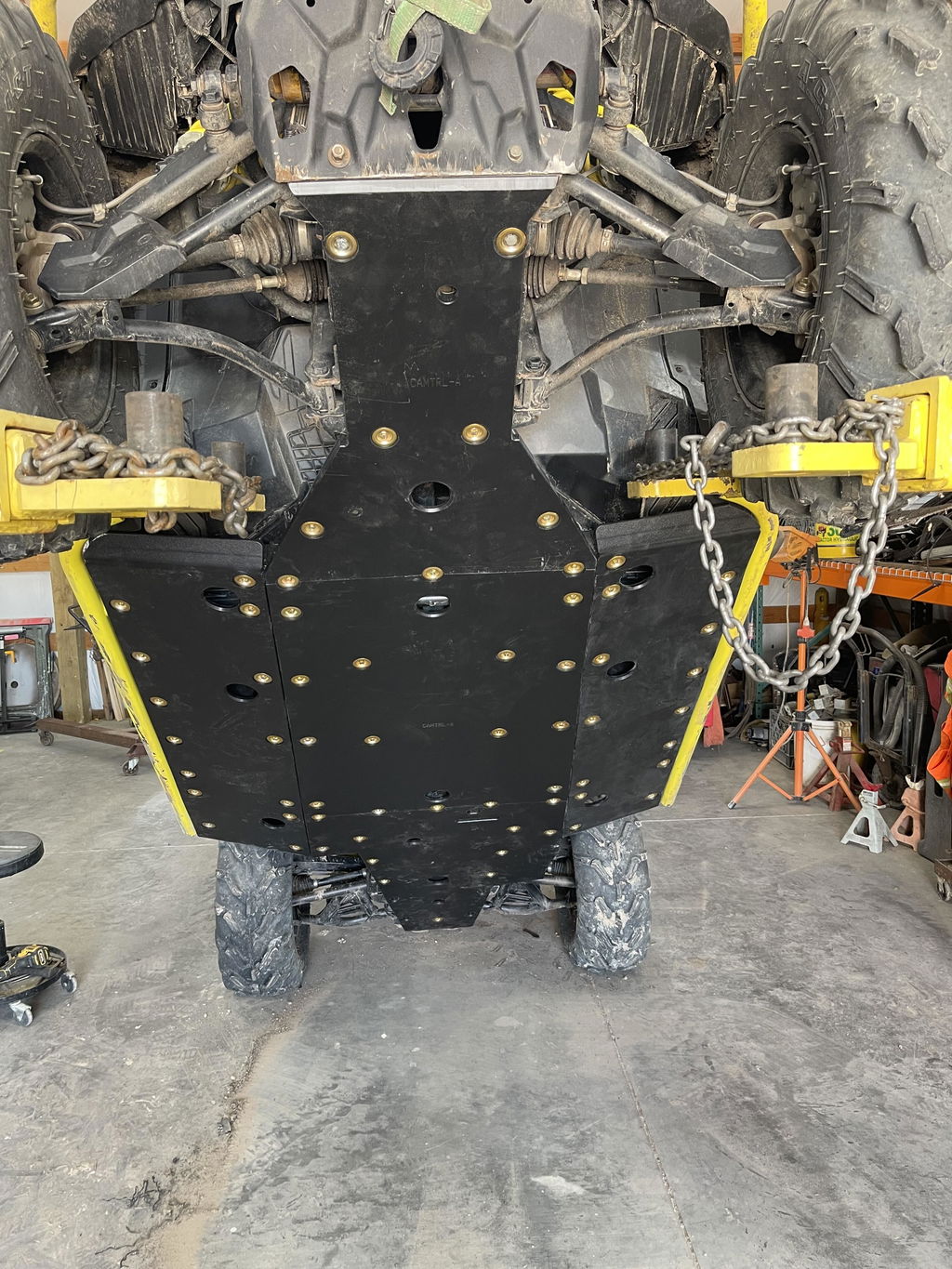
Your UTV's skid plates help protect the underside of your machine. But what about the suspension components that extend beyond the main underbody protection?
UTV A-arms and trailing arms are positioned where they can come into contact with rocks, roots, stumps, ledges, ruts, and other trail hazards. The CV axles and CV boots located around these suspension components can also be vulnerable to cuts and impact damage.
A damaged CV boot may not immediately stop your machine, but once the boot is compromised, dirt, water, and trail debris can contaminate the CV joint and lead to accelerated wear if the problem is not caught.
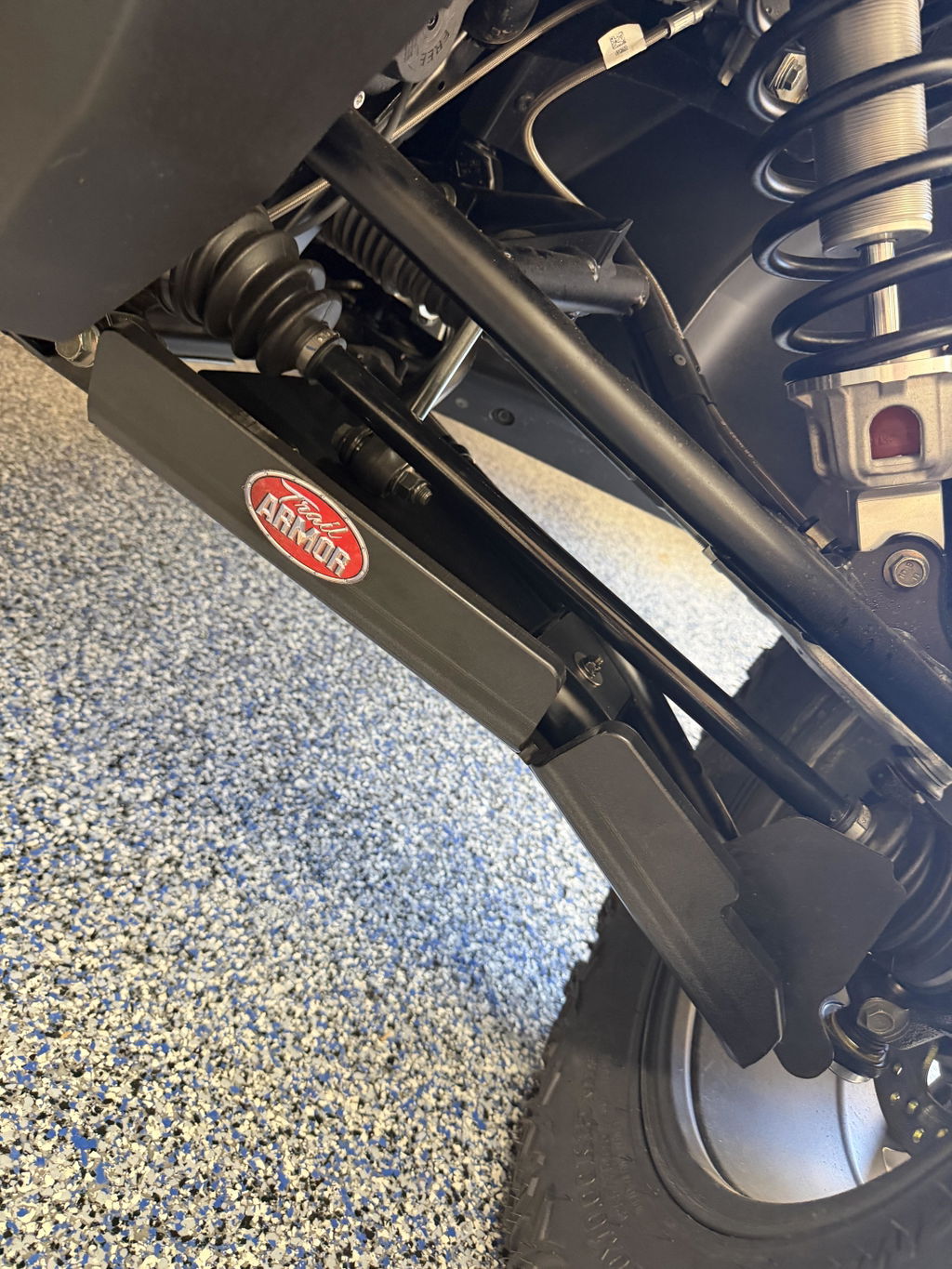
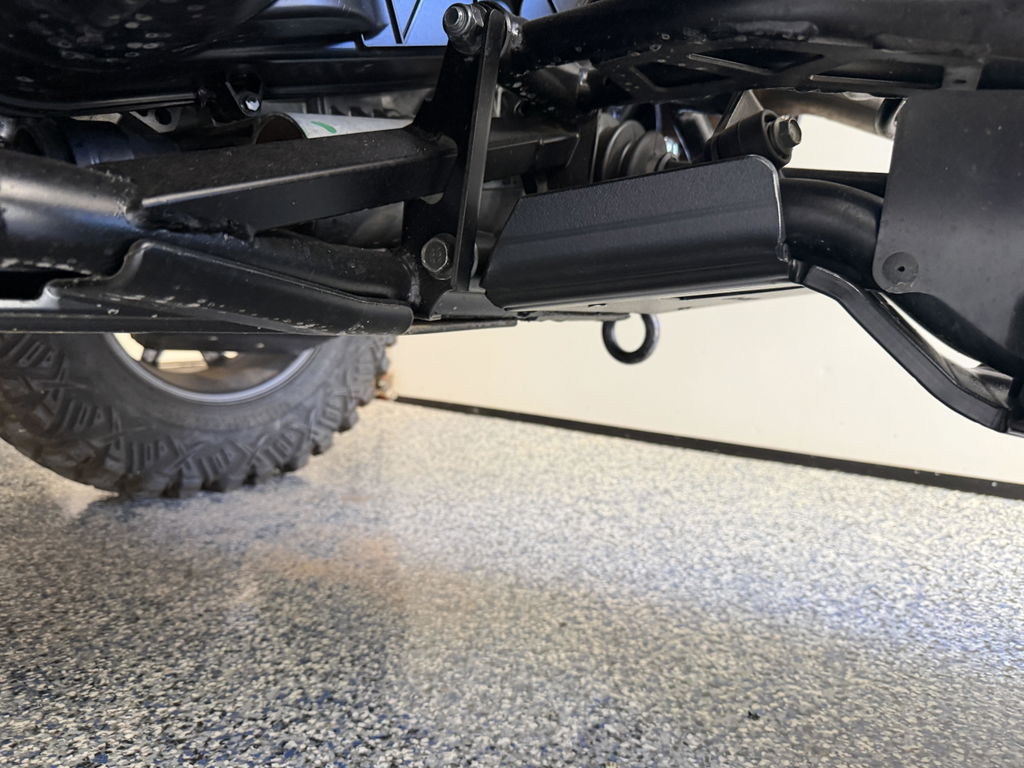
Trail Armor iMpact Guards are designed to add vehicle-specific protection to these exposed suspension areas. This UTV A-arm protection guide explains what A-arms and trailing arms do, why they are vulnerable, what can happen when they take an unprotected hit, and how Trail Armor iMpact Guards help protect critical UTV suspension components.
Understanding what these components do makes it easy to understand why protecting them can be important.
UTV A-arms, also called control arms, connect the wheel hub or steering knuckle to the chassis and allow the suspension to move through its range of travel. Many UTVs use upper and lower A-arms in the front suspension, while rear suspension designs vary depending on the vehicle.
CV axles run through these suspension areas to transfer power to the wheels. Flexible CV boots seal the CV joints and keep grease in while keeping dirt, water, and debris out. Because of where the axles and boots are located, they can be exposed to trail hazards along with the suspension arms.
Trailing arms are used in the rear suspension of many performance UTVs. They extend rearward from the chassis toward the rear wheel assembly and move with the suspension as it cycles.
Both A-arms and trailing arms can sit in exposed areas outside the primary protection provided by a full skid plate. During technical riding, these components may encounter rocks, roots, ruts, ledges, and other obstacles that the center of the machine clears.
To understand the full picture of what sits underneath your machine and why it matters, read Why Every UTV Needs Underbody Protection and What Happens When You Skip It.
UTV suspension protection tips start with understanding where these components are located and how they interact with the terrain.
A-arms and trailing arms extend toward the wheels and often sit outside the main protection area of the center skid plate.
When crossing rocks, roots, deep ruts, or uneven terrain, an obstacle that clears the center skid plate can still make contact with a suspension arm or the area around the CV axle.
CV boots must remain flexible so the axle can operate throughout steering and suspension movement. That flexibility also makes them more vulnerable than the metal components surrounding them.
A sharp rock, branch, or other trail debris can cut or puncture a CV boot. Once the boot is damaged, grease can escape and dirt or water can enter the CV joint.
If caught early, a damaged boot may be repairable before the CV joint is damaged. If contamination or wear progresses far enough, more extensive CV joint or axle repair may be required.
Rear trailing arms can encounter rocks, ledges, ruts, and trail debris because of their location near the rear wheels.
Depending on the terrain and vehicle design, they can experience both direct obstacle contact and debris moving underneath the machine. Protecting this exposed area can help reduce direct contact between trail hazards and the suspension component itself.
The effect of an impact depends on the obstacle, speed, angle of contact, and the UTV suspension design of the vehicle. Some damage is immediately noticeable while other problems may not become apparent until later.
The effect of an impact depends on the obstacle, speed, angle of contact, and the UTV suspension design of the vehicle. Some damage is immediately noticeable while other problems may not become apparent until later.
A sharp rock, branch, or other object can cut or puncture a CV boot.
Once the boot is compromised, grease can escape and dirt, sand, or water can contaminate the CV joint. Continued riding with a damaged boot can accelerate wear and eventually lead to CV joint or axle problems.
This is one reason protecting the area surrounding the CV axle and boot is important.
A severe direct impact can scrape, gouge, bend, or otherwise damage a suspension arm.
If an A-arm is bent, suspension geometry may change and can potentially affect alignment, steering, handling, or tire wear. Any suspected suspension damage should be inspected before continuing to ride aggressively.
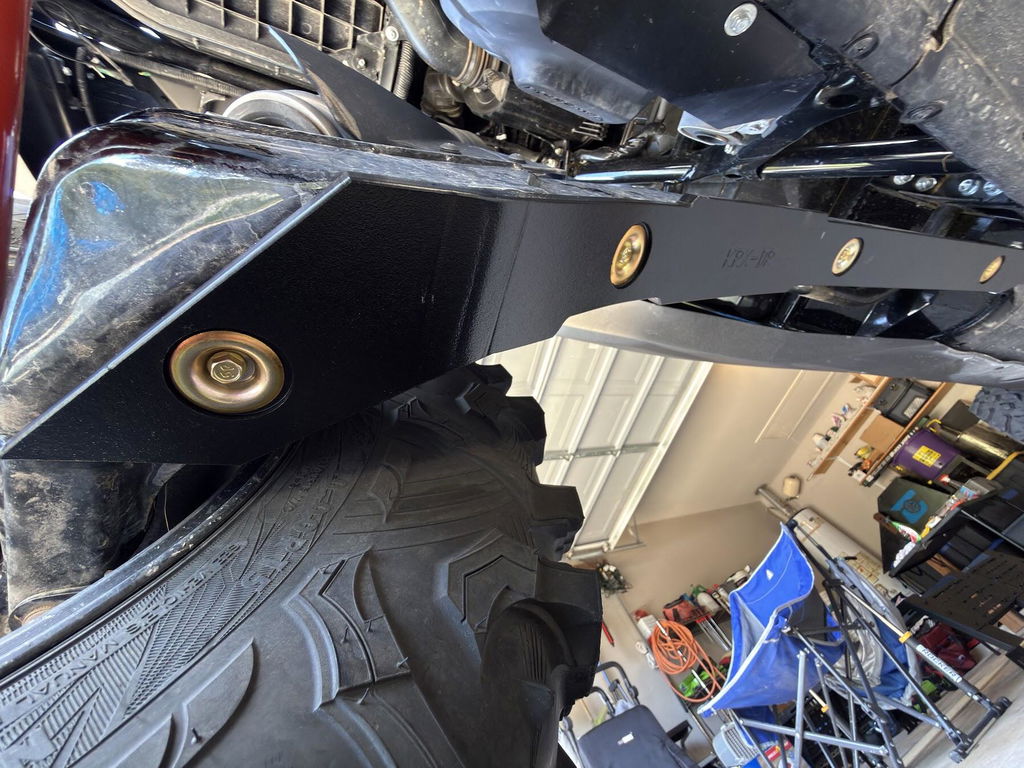
Trailing arms can also take direct hits from rocks, ledges, and other terrain.
A protective guard creates an additional barrier between the suspension component and those obstacles and can take contact that otherwise would have reached the arm itself.
For a deeper understanding of how cumulative trail damage builds silently after an initial impact, read Why Every UTV Needs Underbody Protection and What Happens When You Skip It.

Trail Armor iMpact Guards are vehicle-specific suspension protection designed to help shield vulnerable areas from rocks, roots, ruts, and trail debris.
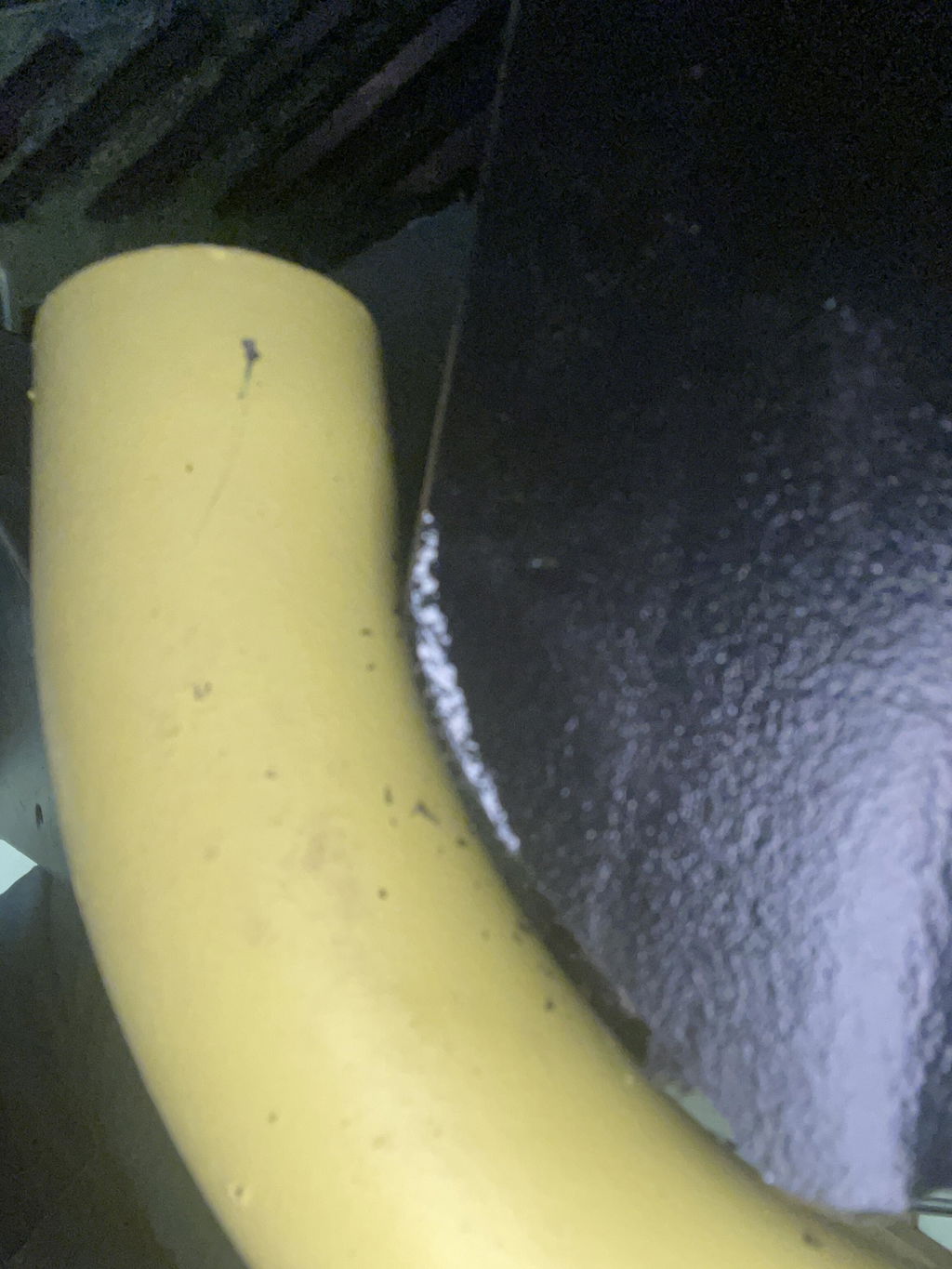
Many Trail Armor iMpact Guards are manufactured from the same 1/2" Super Tough Polymer used in Trail Armor skid plates. Depending on the vehicle and suspension design, construction and coverage can vary to provide the protection and fit required for that specific application.
Trail Armor designs each iMpact Guard around the suspension geometry, available mounting locations, clearances, and other characteristics of the machine it fits.
When the suspension design and available mounting locations allow, Trail Armor provides three-sided protection along the front, rear, and bottom of the suspension arm.
The front surface helps shield against obstacles and debris encountered while moving forward.
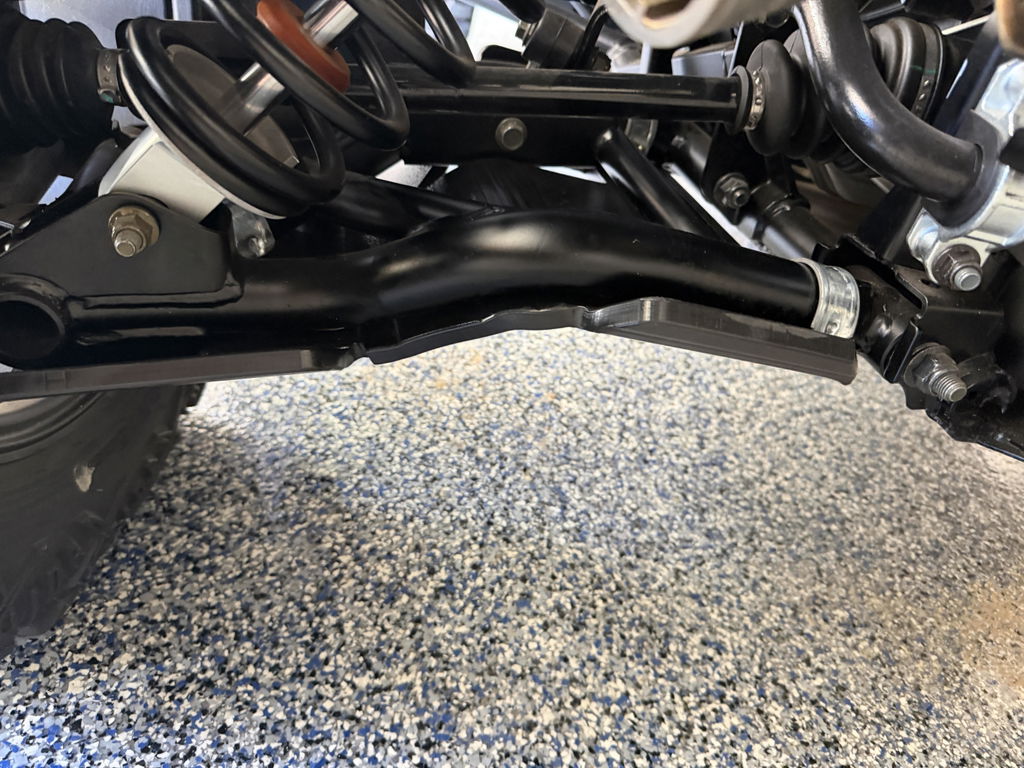
The bottom provides a protective surface between the suspension component and obstacles underneath the machine.
The rear portion adds additional coverage around the suspension arm. However, not every Trail Armor A-arm or trailing arm guard provides three-sided coverage.
Suspension designs, clearances, and mounting locations vary considerably between UTV platforms. On applications where full three-sided coverage is not possible, Trail Armor designs the guard to provide the best practical protection for the exposed areas of that particular suspension component.
This vehicle-specific approach allows Trail Armor to design the protection around the machine instead of attempting to use one universal guard design across multiple platforms.
To understand the full material properties of Super Tough Polymer and how it compares to other materials, read Trail Armor's Super Tough Polymer vs. Aluminum vs. Steel: What Your UTV Skid Plate Is Actually Made Of.
Trail Armor iMpact Guards are designed around the suspension configuration of the vehicle they fit.
Trail Armor iMpact A-Arm Guards are designed to add protection around exposed A-arm and suspension areas.
Many applications use 1/2" Super Tough Polymer.
When the vehicle's suspension design allows, Trail Armor incorporates three-sided front, rear, and bottom coverage. Other applications use a different coverage design based on available clearance, mounting locations, and the suspension geometry of the machine.
Depending on the vehicle, a kit may protect the front suspension only or include protection for both front and rear A-arm areas.
Mounting methods also vary by vehicle. Some kits use factory mounting locations and require no drilling, while other applications may require drilling or self-drilling screws where factory mounting locations are not available.
Always follow the installation instructions included with the exact kit for your machine.
Trail Armor iMpact Trailing Arm Guards are designed around vehicles that use rear trailing-arm suspension.
Like the A-arm guards, the design and coverage are developed specifically for the suspension configuration of the vehicle.
Construction can vary depending on the application. Many are made using Trail Armor's 1/2" Super Tough Polymer, while certain applications may use a combination of materials when the design calls for it.
When three-sided coverage is practical for a particular trailing-arm design, Trail Armor incorporates it. When the suspension configuration does not allow for that type of coverage, the guard is designed to protect the areas that can be effectively covered without interfering with the suspension's operation.
That depends on your machine's suspension design, the available Trail Armor products for your specific model, and the type of terrain you ride.
When both front suspension guards and rear trailing-arm guards are available, using both provides protection for more of the exposed suspension components around the machine.
Trail Armor offers vehicle-specific iMpact Guards for a wide range of popular UTV platforms from manufacturers including
Current Trail Armor offerings include products for numerous popular sport, recreation, utility, and performance UTV platforms.
Because suspension designs can change by year, model, edition, width, and factory suspension configuration, it is important not to assume that a guard fits simply because it is designed for the same general model family.
Always verify your exact make, model, year, and edition before purchasing.
How to protect UTV suspension arms starts with choosing the correct product and following the installation instructions for that specific machine.
Trail Armor iMpact Guards are vehicle-specific, and installation methods vary by application.
Some kits install using existing mounting locations and require no drilling. Other applications may require drilling, self-drilling screws, or another mounting method where suitable factory mounting locations are unavailable.
This is why the photo-documented instructions included with the specific product should always be followed rather than relying on a universal installation procedure.
Installation time can also vary based on the vehicle, product, tools available, and installer experience.
For a detailed walkthrough of Trail Armor's installation process and best practices, read How to Install Trail Armor Skid Plates on Your UTV: A Step-by-Step Guide for Every Rider.
As with other accessories mounted underneath a UTV, inspect your iMpact Guards and mounting hardware periodically and after particularly hard riding.
Look for loose hardware, unusual movement, damage, or anything that could interfere with suspension or steering operation.
Trail Armor's 1/2" Super Tough Polymer will not rust or corrode and does not require painting or coating.

UTV A-arms and trailing arms operate in some of the most exposed areas of the machine.
Rocks, roots, ruts, ledges, branches, and other trail hazards can reach suspension components that are outside the coverage area of a conventional center skid plate.
Trail Armor iMpact Guards are designed to add vehicle-specific protection to these vulnerable suspension areas.
Many utilize the same 1/2" Super Tough Polymer used in Trail Armor skid plates, while certain applications use specialized construction designed around the suspension components they protect.
Coverage also varies by application. Trail Armor incorporates three-sided protection when the suspension design allows it and develops alternative coverage when vehicle geometry or mounting locations require a different approach.
Combined with a properly fitted Trail Armor skid plate system, iMpact Guards can help extend protection beyond the center underbody and toward the suspension.
To learn more about the brand behind every product, read Who Is Trail Armor? The Story Behind the Brand Built for Serious Riders.
Find the right Trail Armor iMpact Guards for your machine and ride knowing your suspension is protected from every angle.
That depends on where and how you ride.
A-arm and CV boot damage is not limited to extreme rock crawling. Branches, rocks, deep ruts, and other obstacles can still contact exposed suspension components on relatively moderate trails.
A-arm guards add another layer of protection for riders who want additional coverage in these areas.
A CV boot protector is generally designed primarily around shielding the CV boot area.
An A-arm guard is designed to protect exposed areas of the suspension arm and, depending on the application, may also provide additional protection around the CV boot area.
Coverage varies by vehicle, and Trail Armor designs each guard to provide the best practical protection allowed by the suspension geometry, clearance, and available mounting locations.
Trail Armor iMpact Guards are designed specifically for the suspension configuration of the vehicles listed in their fitment information.
When the correct product is installed according to Trail Armor's instructions, it is designed to provide the necessary clearance for normal suspension and steering operation.
Always verify correct fitment and installation before riding.
For riders on technical terrain, both are recommended. A-arm guards protect the front suspension from direct impacts. Trailing arm guards protect the rear suspension from debris thrown by the front tires. Together they provide complete UTV suspension protection from both directions.
Installation time varies by vehicle, kit, required mounting method, available tools, and installer experience.
Because mounting systems vary between applications, there is no single installation time that applies to every Trail Armor iMpact Guard kit.
Use Trail Armor's year, make, and model search and review the specific fitment information provided on the product page.
Pay close attention to model year, trim or edition, suspension configuration, and any special fitment notes.
If you are unsure which product fits your machine, contact Trail Armor before ordering.
{"one"=>"Select 2 or 3 items to compare", "other"=>"{{ count }} of 3 items selected"}